
Best Low Light Rifle Scope Under 300 of 2026 for Dusk Clarity
Spot game at dusk with the best low light rifle scope under 300 in November 2026, packing bright multicoated glass and sharp illuminated reticles.
 By Edward Ting
Updated November 6, 2026


Dim targets fading into thick timber at sunset create an unforgiving challenge for hunters and precision marksmen alike. Budget optics frequently lose contrast right when legal shooting light dwindles, washing out sight pictures and hiding vitals behind dim crosshairs. Picking the best low light rifle scope under $300 solves this headache by prioritizing fully multi-coated glass, sensible magnification ranges, and generous objective diameters that funnel usable ambient light straight to your pupil. Whether you hunt heavily wooded whitetail corridors or demand quick target identification from a tactical carbine, stepping up your optical quality transforms twilight hesitation into confident placement.
Optical performance at dawn depends on balanced exit pupils, anti-reflective lens treatments, and dependable reticle illumination. Premium platforms like the 30mm Burris Fullfield with a massive 56mm bell pull maximum light, while high-efficiency LPVOs like the Sig Sauer Tango-MSR deliver fast close-range snapshots with illuminated BDC reticles. Shooters looking for value often weigh these models against the best 50mm rifle scope for the money to ensure optimal twilight light gathering. Based on manufacturer specifications and shooter feedback, today’s budget-friendly scopes deliver waterproof nitrogen-purged housings, rugged shock resistance, and sharp edge-to-edge clarity that punch well above their price tag.
Top Products
| Award | Product | BSP Score About BSP ScoreThe BSP Score is our own rating from 0 to 10, based on performance, design and build, ease of use, and value. It reflects independent research and is never influenced by manufacturers, retailers, or affiliate commissions. Learn more › | |
|---|---|---|---|
| Best Overall |
SIG SAUER Tango-MSR LPVO 1-6x24mm Waterproof
|
9.2/10 | Buy |
| Best Budget |
 Vortex Crossfire HD 4-12x44 Second Focal Plane |
9.1/10 | Buy |
| Best Value |
 SIG SAUER Tango-MSR LPVO 1-6x24mm Waterproof |
8.9/10 | Buy |
| Best Premium |
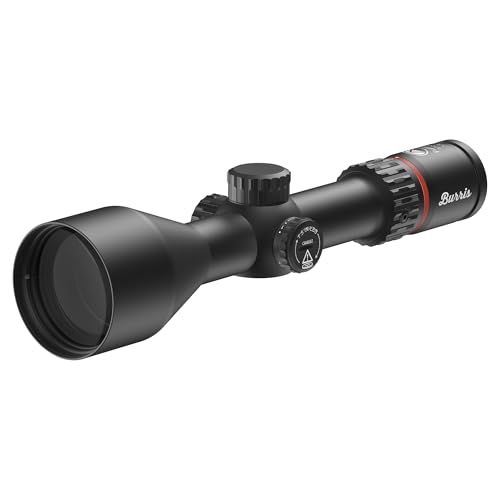 BURRIS Fullfield 3-12x56mm SC (30mm Tube) (201540) |
8.9/10 | Buy |
 Monstrum G3 6-24x50 First Focal Plane FFP Rifle |
8.6/10 | Buy | |
 SIG SAUER Tango-MSR LPVO 1-6x24mm Waterproof |
8.3/10 | Buy |
Frequently Asked Questions
Does a larger objective lens always guarantee better low-light performance?
Yes, a larger objective lens gathers significantly more ambient light when paired with quality anti-reflective lens coatings. A 50mm or 56mm objective lens creates a wider exit pupil beam at medium magnification settings, matching the fully dilated human eye in low light. But glass quality and multi-coating efficiency matter just as much as pure lens diameter. Massive front bells also require taller mounts to maintain barrel clearance, which shooters must account for when setting up their rifle.
Is an illuminated reticle necessary for hunting at dawn and dusk?
Yes, illuminated reticles provide essential contrast against dark animal coats and shaded brush during the final minutes of shooting light. Standard black reticles often blur into dense timber or dark backgrounds, making precise aiming points hard to distinguish. Scopes with variable brightness settings prevent reticle glare from overpowering the target image in extreme darkness. Quality illuminated optics allow rapid center-dot acquisition even when shadows completely obscure non-illuminated wire crosshairs.
Which focal plane is better for low-light hunting, FFP or SFP?
Second Focal Plane (SFP) reticles are generally superior for traditional low-light hunting within normal sporting distances. SFP reticles maintain a bold, consistent thickness across all magnification levels, ensuring clear visibility at low power when light is fading. First Focal Plane (FFP) reticles shrink at lower powers, often becoming too thin to pick up quickly against dark backgrounds without intense illumination. SFP configurations offer clean visibility without demanding high illumination settings that wash out your target image.
How does main tube diameter affect visibility in a low light scope?
No, a 30mm tube does not inherently let in more light than a 1-inch tube, but it provides critical mechanical advantages. The larger internal tube housing allows for a wider range of elevation and windage turret adjustments, which helps long-distance zero retention. Heavy-duty 30mm tubes also increase structural rigidity against magnum recoil. Pairing a 30mm tube with sturdy hardware like the best long range scope rings guarantees your zero stays locked under harsh field conditions.
What exit pupil size should shooters aim for during prime twilight hours?
A minimum exit pupil of 5mm to 7mm is ideal because it matches the maximum dilation of the human eye in dark conditions. You can calculate this by dividing the objective lens diameter in millimeters by your chosen magnification power. For example, a 56mm scope set at 8x magnification produces an optimal 7mm exit pupil beam. Setting your magnification too high shrinks the exit pupil, creating a dim sight picture and tight eye box when light is minimal.
Will an LPVO work effectively for low-light hunting scenarios?
Yes, a 1-6x LPVO performs exceptionally well at close to moderate distances during low-light hours. While a 24mm objective lens gathers less total light than larger hunting bells, running the optic at 1x to 3x provides a generous exit pupil for quick target acquisition. Models equipped with bright illuminated BDC or Hellfire reticles allow shooters to spot targets quickly in dense timber. The compact footprint and wide field of view make LPVO systems practical choices for dense brush hunting.
About the author
Edward Ting is an experienced amateur astronomer, telescope reviewer, and astronomy educator known for his detailed equipment evaluations. With an engineering background and extensive experience reviewing telescopes and astronomical accessories, he helps astronomy enthusiasts understand optical performance, equipment design, and practical considerations when selecting observing equipment.