
What Is Scope of Appointment: Practical Guide for 2026
Understanding what is scope of appointment clarifies meeting boundaries and client discovery protocols for November 2026.
 By Edward Ting
Updated November 11, 2026


Setting clear expectations before evaluating precision equipment or technical services prevents misaligned goals and wasted time during structured discovery sessions. Whether arranging a detailed consultation for optical bench evaluation, selecting a long-range scope rings guide, or scheduling professional client reviews, clarity remains essential. Many professionals frequently inquire about what is scope of appointment and how establishing formal boundaries protects both parties during introductory meetings. Defining these parameters ensures that discussions remain focused on agreed-upon topics, avoiding unexpected sales pitches or compliance violations.
In practice, clarifying meeting parameters creates transparency, establishes ethical boundaries, and streamlines decision-making across varied professional disciplines. Documented agendas allow participants to prepare relevant questions, review pertinent materials, and address specific technical requirements efficiently. By managing expectations early, consultants and clients foster productive working relationships built on mutual consent and direct communication. Exploring practical resources and structured processes helps organizations implement these standards seamlessly across their daily operations.
| Award | Product | BSP Score About BSP ScoreThe BSP Score is our own rating from 0 to 10, based on performance, design and build, ease of use, and value. It reflects independent research and is never influenced by manufacturers, retailers, or affiliate commissions. Learn more › | |
|---|---|---|---|
| Best Premium |
7 STEPS to SALES SCRIPTS for B2B APPOINTMENT
|
9.1/10 | Buy |
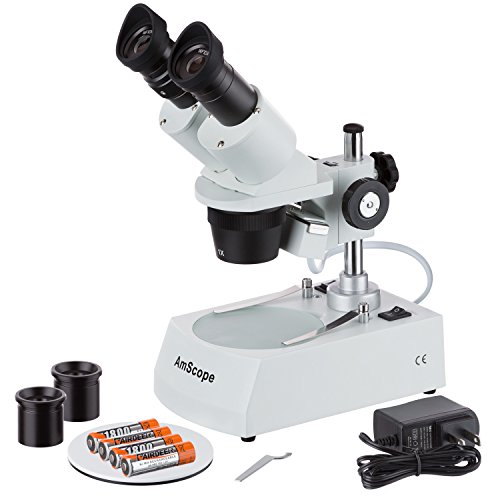 AmScope SE305R-PZ-LED Forward-Mounted Binocular |
8.0/10 | Buy | |
| Best Overall |
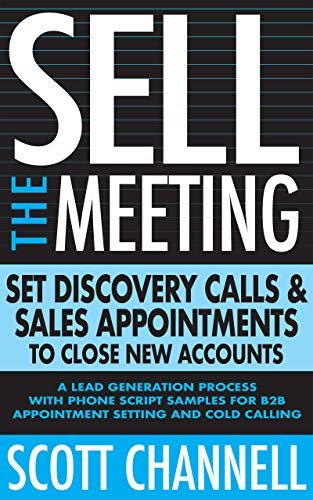 Sell The Meeting: Set Discovery Calls & Sales |
9.2/10 | Buy |
 Booked: The digital marketing and social media |
7.8/10 | Buy | |
| Best Budget |
 Going Menopostal: What You (and Your Doctor) |
8.8/10 | Buy |
Understanding Scope of Appointment Principles and Consultation Frameworks
A formal appointment framework establishes agreed-upon boundaries before any detailed commercial, medical, or technical discussion takes place. Understanding the mechanics behind meeting boundaries enables both parties to communicate efficiently while respecting compliance rules and mutual expectations. When discussions stray outside designated topics, participants risk miscommunication, regulatory infractions, or diminished trust.
Core Definition and Purpose of an Appointment Scope
At its foundation, a scope of appointment represents a formal or semi-formal understanding specifying exactly what products, services, or topics will be addressed during a consultation. The primary objective is to protect clients or prospects from unexpected presentations, high-pressure tactics, or irrelevant sales material. By agreeing to an explicit topic list prior to convening, all attendees enter the conversation with complete transparency regarding the meeting agenda.
This structure also benefits the organizer by establishing clear parameters for preparation and resource allocation. Presenters can compile targeted data, prepare technical demonstrations, and address specific pain points without wasting time on unrelated subjects. Consequently, the meeting operates with higher efficiency and produces more actionable outcomes for everyone involved.
Formal Scope Agreements Across Regulated Industries
In heavily regulated sectors, such as healthcare insurance and financial services, the scope documentation is often a legal requirement rather than a voluntary courtesy. For example, federal guidelines governing Medicare plan marketing mandate written documentation verifying which plan types a beneficiary wishes to discuss prior to any presentation. Agents cannot legally introduce unrelated insurance lines during that designated consultation without separate, documented consent.
These statutory safeguards prevent predatory cross-selling and safeguard vulnerable consumers from unrequested solicitations. Regulatory bodies require signed acknowledgment forms, distinct waiting intervals, and meticulous record retention to demonstrate ongoing compliance. Failure to adhere to these prescribed guidelines can result in severe administrative penalties, contract termination, or legal liability.
Structuring Discovery Calls and Commercial Consultations
In business-to-business commerce, establishing a precise meeting scope is vital for effective prospecting and discovery calls. Guides such as Sell The Meeting by New Mark Press emphasize that securing an initial conversation requires articulating a concise value proposition and a well-defined agenda. When prospective clients understand the narrow scope of an introductory meeting, they demonstrate significantly greater willingness to commit their time.
Similarly, resources like 7 STEPS to SALES SCRIPTS for B2B APPOINTMENT by Ingramcontent provide structured frameworks for scripting cold calls that respect the prospect’s calendar. By clarifying that an initial call focuses solely on diagnostic discovery rather than immediate commercial transactions, appointment setters lower prospect resistance. This boundary-first approach fosters mutual respect and builds a stable foundation for long-term commercial relationships.
Maintaining conversational discipline during these calls prevents sales representatives from overwhelming buyers with excessive technical specifications. A focused conversation enables the consultant to identify core organizational challenges and qualify suitability accurately. When both parties honor the established boundaries, future follow-up meetings proceed with greater momentum and mutual alignment.
Digital Prospecting and Appointment Coordination
Digital appointment generation introduces automated mechanisms for defining conversation boundaries before any live dialogue occurs. Frameworks detailed in Booked by Josh Turner highlight systematic marketing processes that guide prospects through automated qualification sequences. Online intake forms and calendar booking links routinely incorporate mandatory agenda confirmations to ensure mutual clarity.
When clients select specific discussion topics during the digital scheduling process, they effectively co-create the consultation agenda. This pre-meeting alignment helps technical specialists gather appropriate reference guides, whether reviewing precision hardware configurations or referencing airgun scope mounting considerations for specialized mechanical setups. Streamlined intake processes reduce no-show rates and enhance participant engagement throughout the scheduled session.
Technical and Laboratory Inspection Consultations
In technical environments where delicate optical instruments or scientific hardware undergo physical evaluation, scoping the session prevents operational errors. Utilizing specialized equipment, such as the AmScope SE305R-PZ-LED Forward-Mounted Binocular stereo microscope, requires defining whether the session involves biological dissection, jewelry grading, or mineral specimen inspection. The forward-mounted binocular viewing head, offering paired 10x and 20x widefield eyepieces alongside interchangeable 1x and 3x objectives, requires specific mechanical alignment based on the specimen profile.
Determining the diagnostic scope before operating the microscope ensures proper selection between upper and lower LED illumination. For example, inspecting transparent biological specimens demands utilizing the frosted glass stage plate to allow transmitted lower light, whereas solid samples require the reversible black and white stage plate for high contrast. Setting the inspection protocol in advance ensures that optical focal distance, 45-degree head inclination, and specimen manipulation proceed safely without damaging delicate lenses or samples.
Just as laboratory technicians outline specific observation tasks before peering through dual eyepieces, field observers follow structured protocols when selecting target optics. Field spotters frequently rely on a comprehensive sniper spotting scope selection guide to match magnification and objective clarity to their specific surveillance assignment. Defining the scope of work prior to entering the field or laboratory guarantees that optical equipment matches the environmental requirements.
Healthcare Dialogue and Patient Preparation
Clinical consultations represent another critical venue where establishing a focused meeting boundary enhances outcomes. Clinical educational texts, such as Going Menopostal from BenBella Books, emphasize the importance of patients preparing specific, evidence-based inquiries prior to medical appointments. Clinical office visits frequently suffer from severe time constraints, making structured preparation essential for comprehensive care.
When patients document their symptom history and delineate their primary clinical concerns in advance, physicians can address underlying physiological factors systematically. Establishing an intentional agenda prevents vital questions regarding endocrine balance or symptom management from being neglected during hurried clinical visits. This collaborative preparation empowers patients to advocate for their health while enabling clinicians to deliver thorough, personalized guidance.
Documenting and Tracking Agreed Consultation Boundaries
Accurate record-keeping provides the administrative backbone for any scoped consultation system. In professional service firms, recording meeting scopes within customer relationship management platforms ensures that all client-facing representatives respect prior commitments. Detailed notes prevent duplicate outreach, track client objections, and preserve a transparent history of client consent.
For organizations operating under compliance scrutiny, documentation must include precise timestamps, agreed topic checklists, and physical or electronic signatures. Maintaining organized digital audit trails protects practitioners against unfounded claims of unauthorized product presentation or ethical violations. Periodic internal audits of these records verify that staff members maintain rigorous procedural compliance during everyday interactions.
Practical Execution and Best Practices for Structured Meetings
Successfully executing a scoped appointment requires diligent time management and conversational boundaries. The meeting host should initiate the conversation by confirming the scheduled duration and verifying that the agreed-upon agenda remains accurate. If a client introduces an intriguing but tangential topic during the discussion, the host should acknowledge the inquiry and place it in a documented follow-up list rather than derailing the active agenda.
If exploring a newly introduced topic proves urgent, both parties must explicitly agree to expand the session parameters before proceeding. Concluding each consultation with a concise review of decided action items solidifies accountability and provides a natural transition to scheduling future discussions. Implementing these structured disciplines ensures that professional appointments remain consistently productive, respectful, and compliant.
Establishing clear meeting boundaries ultimately protects participants, enhances communication quality, and reinforces ethical standards across commercial and technical fields. Adopting structured scheduling workflows and respecting defined topics transforms introductory conversations into dependable foundations for professional collaboration.
About the author
Edward Ting is an experienced amateur astronomer, telescope reviewer, and astronomy educator known for his detailed equipment evaluations. With an engineering background and extensive experience reviewing telescopes and astronomical accessories, he helps astronomy enthusiasts understand optical performance, equipment design, and practical considerations when selecting observing equipment.